Your Guide to a Dust-Free and Allergen-Reduced Living Space
Introduction
If you or your family suffer from sneezing, itchy eyes, or seasonal wheezing, your home may be amplifying the problem. Invisible particles--from dust mites and pet dander to mold spores and pollen--can accumulate in soft furnishings, ventilation systems, and overlooked crevices. This comprehensive resource, Your Guide to a Dust-Free and Allergen-Reduced Living Space, equips you with science-backed strategies, practical workflows, and professional tools to reclaim indoor air quality and comfort. Whether you own, rent, or manage properties, the steps and expert tips here will help you drastically cut dust, reduce allergens, and create a healthier home.
This isn't a quick tidy-up. It's a methodical approach that prioritises the biggest wins first: airflow, filtration, moisture control, and cleaning techniques that actually capture particles rather than spread them around. We'll cover how to select the right HEPA vacuum, choose filters that meet relevant standards (EN 1822 and ISO 16890), set humidity for minimal mite and mold growth, and design weekly routines that stick. By the end, you'll have a personalised plan to maintain a low-allergen environment year-round.
Table of Contents
- Why This Topic Matters
- Key Benefits
- Step-by-Step Guidance
- Expert Tips
- Common Mistakes to Avoid
- Case Study or Real-World Example
- Tools, Resources & Recommendations
- Law, Compliance or Industry Standards (UK-focused)
- Checklist
- Conclusion with CTA
- FAQ
Why This Topic Matters
Indoor air can be two to five times more polluted than outdoor air, according to numerous health authorities. For allergy and asthma sufferers, that can translate to daily symptoms and reduced wellbeing. Dust is not just "dirt"--it's a complex mix of skin flakes, textile fibres, pet dander, pollen residues, soot, and microscopic life such as dust mites, plus the allergens they produce. Mites thrive when humidity is high, while mold spores flourish in damp, stagnant areas. Pollen and outdoor particulates get tracked in on shoes, clothes, and pets. Without a plan, everything settles, recirculates, and accumulates.
Your Guide to a Dust-Free and Allergen-Reduced Living Space matters because it addresses root causes. By combining proper ventilation, proven filtration, moisture control, "capture, don't spread" cleaning methods, and smart home design, you can significantly reduce allergen exposure. This approach is aligned with public health guidance, ventilation best practice (e.g., UK Building Regulations Part F on ventilation), and standards for filtration efficacy (EN 1822 for HEPA; ISO 16890 for HVAC filters).
Beyond health, there's also the matter of comfort and asset care. Dust and moisture can degrade furnishings and finishes, clog electronics, and encourage odors. Reducing particulate load preserves your home, cuts cleaning time, and supports energy efficiency when filters and fans run optimally. In short, a healthy home is a smarter, more sustainable home.
Key Benefits
- Fewer allergy symptoms: Less dust means fewer triggers for sneezing, wheezing, and itchy eyes.
- Better sleep and productivity: Cleaner air supports restful sleep and clearer mornings.
- Lower mold and mite risk: Moisture control disrupts growth cycles of common allergens.
- Reduced cleaning time: Efficient techniques capture particles once, not twice.
- Preserved furnishings and electronics: Less dust reduces abrasion and clogging.
- Improved HVAC efficiency: Correct filtration and maintenance keep air moving and costs down.
- Safer chemical use: Following best practice minimises irritants from cleaning products.
Step-by-Step Guidance
Below is a practical, phased plan to deliver a dust-free, allergen-reduced living space. Think of this as Your Guide to a Dust-Free and Allergen-Reduced Living Space in action.
1) Assess and Prioritise: Where is dust and allergen load highest?
- Spot the hotspots: Bedrooms, soft furnishings, high-traffic entryways, pet zones, and poorly ventilated bathrooms.
- Identify moisture risks: Condensation on windows, musty smells, visible mold, or RH consistently above 60%.
- Evaluate airflow: Check that trickle vents aren't blocked, extract fans work, and doors (especially to bathrooms/kitchens) allow pressure balance.
- Note fabric density: Plush carpets, heavy curtains, and stuffed furniture hold more dust. Consider gradual upgrades.
2) Control Moisture First
Dust mites and mold thrive in damp conditions. Target relative humidity at 40-50%. Below 60% is acceptable; below 40% can be too dry for comfort.
- Ventilation: Use bathroom and kitchen extractors, open windows briefly for cross-ventilation, and keep trickle vents open.
- Dehumidification: In damp-prone spaces, use a dehumidifier with a built-in humidistat set to 45-50%.
- Condensation control: Warm cold surfaces (e.g., with insulation or thermal curtains) and use continuous low-level ventilation.
- Fix sources: Address leaks, blocked gutters, and bridging damp; dry wet areas within 24-48 hours to inhibit mold growth.
3) Upgrade Filtration and Airflow
- Vacuum filtration: Choose a sealed HEPA vacuum certified to EN 1822 (H13/H14) or equivalent. A sealed body prevents bypass leaks.
- HVAC filters: Where applicable, use filters rated per ISO 16890 (aim for ePM1 60-80%) or, in US-style systems, MERV 13 or higher if your fan can handle it.
- Air purifiers: Select units with true HEPA (H13 or H14), high Clean Air Delivery Rate (CADR), and quiet operation for bedrooms. Size units to room volume and aim for 4-5 air changes per hour.
- Positive airflow patterns: Keep supply vents clear, doors undercut, and furniture away from radiators and vents.
4) Adopt a "Capture, Don't Spread" Cleaning Method
The most common mistake is dry dusting with feather dusters or dry cloths. These simply lift particles into the air.
- Damp dusting: Use slightly damp, high-GSM microfibre cloths (300-400 GSM) to lock particles in the fibres. Rinse and replace regularly.
- Top-to-bottom flow: Start with high shelves and light fittings, then work down to surfaces and floors. Finish with vacuuming and damp mopping (for hard floors).
- HEPA vacuuming: Vacuum slowly with a motorised brush head on carpets and a soft roller on hard floors. Two passes in perpendicular directions lift embedded dust.
- Edge and crevice attention: Use crevice tools for skirting boards, radiators, sofa gaps, bed frames, and under appliances.
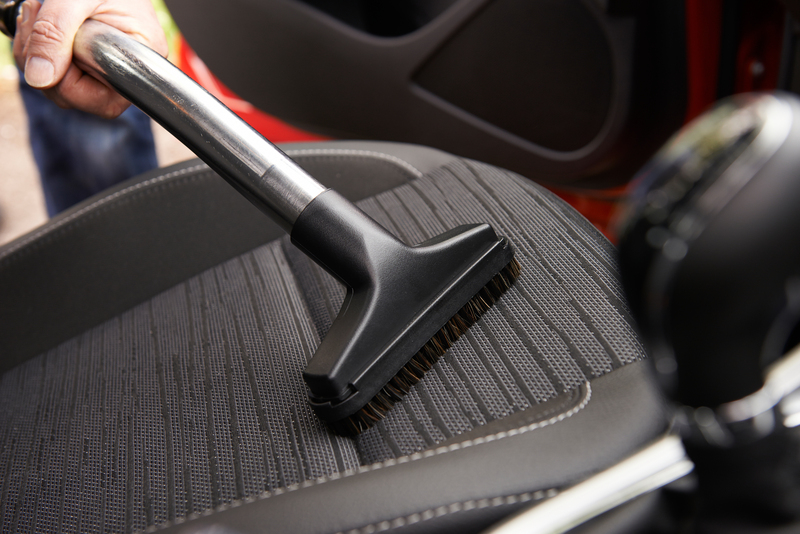
- Soft furnishings: Vacuum upholstery and curtains using an upholstery tool; consider periodic professional hot-water extraction for deep cleans.
5) Bedroom Allergen Reduction
- Encasements: Fit allergen-proof, tightly woven encasements on mattresses and pillows. These create a barrier against dust mite allergens.
- Bedding laundry: Wash sheets and pillowcases weekly at 60?C to denature mite allergens. Duvets and pillows quarterly (check care labels).
- Declutter: Limit cushions, plush toys, and heavy bed throws; launder soft toys monthly at 60?C or freeze for 24 hours then wash.
- Flooring: If possible, replace old carpeting with low-pile carpet or hard flooring with washable rugs.
6) Entryway and Containment Strategy
- Shoe protocol: Keep a shoe rack and doormat inside and another mat outside; adopt a no-shoes policy to cut tracked-in particulates.
- Pet routine: Wipe pets' paws after walks; brush animals outside; use HEPA-filtered pet vacuums for shedding zones.
- Coat and bag storage: Hang outdoor clothing near entry to prevent pollen transfer deep into the home.
7) Kitchen and Bathroom Controls
- Extract fans: Use during and 10-20 minutes after cooking or showering to remove moisture and aerosols.
- Mold prevention: Clean grout and silicone with targeted solutions; repair failed seals; squeegee shower walls after use.
- Grease capture: Use cooker hoods vented outside; replace filters on recirculating hoods frequently to avoid grease-dust films.
8) Seasonal Adjustments
- Spring/summer: During high pollen periods, keep windows closed in early morning and evening peaks; run purifiers; shower and change after outdoor activities.
- Autumn/winter: Manage condensation as temperatures drop; maintain gentle, continuous ventilation to prevent mold blooms.
9) Maintenance Schedule
- Daily: Quick kitchen and bathroom wipe-downs; run extractor fans as needed; spot vacuum high-traffic areas.
- Weekly: Full HEPA vacuum of all floors; damp dust surfaces; wash bedding at 60?C; launder pet blankets.
- Monthly: Clean vents and radiators; wash curtains or steam them; change or rinse pre-filters on purifiers.
- Quarterly: Deep clean upholstery and mattresses; replace HVAC filters; review humidity logs and adjust dehumidifiers.
- Annually: Professional service for boilers and ventilation systems; review and refresh encasements and cleaning tools.
Expert Tips
- Use the right cloths: High-quality microfibre with split fibres dramatically outperforms cotton for dust capture. Slightly damp is best.
- Slow wins: Move the vacuum slowly; speed reduces pickup. Two passes crosswise improve removal by up to 40% on carpets.
- Seal the system: A HEPA filter is only as good as the vacuum's seals. Look for models advertised as "sealed systems" (EN 1822 certified where possible).
- Mind your bags: If your vacuum uses bags, choose multi-layer, HEPA-rated bags and replace before they're over 70% full to maintain airflow.
- Window wisdom: On high-pollen days, ventilate at times with lower pollen counts and rely more on mechanical ventilation or purifiers.
- Smart humidity: Keep an inexpensive hygrometer in bedrooms and bathrooms; log readings for a week to find patterns.
- Fabric strategy: Choose tightly woven, washable textiles; avoid heavy, textured fabrics that trap dust.
- Declutter with intent: Store rarely used items in sealed containers; open shelves collect dust faster than cabinets with doors.
- Filter synergy: Pair an air purifier with targeted source control (e.g., a dehumidifier in a damp bedroom) for cumulative gains.
- Fragrance caution: Fragranced sprays and candles can add volatile organic compounds (VOCs). Choose low-VOC cleaning products and scent-free options when possible.
Common Mistakes to Avoid
- Dry dusting: Feather dusters and dry cloths redistribute particles into your breathing zone.
- Ignoring humidity: Without moisture control, dust mite and mold reservoirs rebound quickly.
- Overlooking soft furnishings: Cushions, curtains, and mattresses can become the largest allergen reservoirs if neglected.
- Wrong filter ratings: Using generic foam or low-grade filters in purifiers or HVAC systems won't capture the smallest, most relevant particles.
- Dirty tools: A grimy mop or clogged vacuum filter recontaminates surfaces and spews particulates.
- Poor sequencing: Vacuuming before ceiling dusting means double work. Always clean high-to-low.
- Strong bleach overuse: Bleach is not a cleaner; it's a disinfectant and can create irritating fumes. Clean first, then disinfect selectively when needed.
- Skipping maintenance: Filters, seals, and gaskets degrade. Set calendar reminders for replacements.
Case Study or Real-World Example
Profile: A family of four in Manchester, UK, living in a 3-bedroom semi-detached home. Two family members have allergic rhinitis and mild asthma. The home had persistent morning congestion, visible condensation on winter mornings, and dust accumulation on bedroom furniture within days of cleaning.
Interventions:
- Moisture control: Installed a 12L/day dehumidifier in the main bedroom with a target RH of 45-50%. Shower extractor upgraded to a quiet, continuous-running fan with boost.
- Filtration: Added two HEPA H13 air purifiers sized for bedrooms (CADR matched to room volume for ~5 ACH). Changed central heating return grilles to accept higher-grade filters (ISO 16890 ePM1 60%), ensuring fan compatibility.
- Cleaning protocol: Switched to damp dusting with high-GSM microfibre; adopted a sealed-system H13 HEPA vacuum with motorised brush head; introduced weekly bedding wash at 60?C and mattress/pillow encasements.
- Entryway: No-shoes policy, double doormat system, and pet paw-wiping routine.
Results after 8 weeks:
- Settled dust reduction: Visual dusting frequency dropped from every 2-3 days to once weekly. Particle counts (consumer PM2.5 sensor) decreased by ~40-50% on average overnight.
- Symptom improvement: Morning congestion rated on a family log fell from 7/10 to 3/10; fewer antihistamine doses reported.
- Condensation: Window condensation occurrence reduced by ~80%, eliminating black spot mold in corners after cleaning and repainting with anti-mold emulsion.
While consumer monitors are not laboratory-grade, consistent trends aligned with self-reported comfort, demonstrating that a structured plan can yield measurable benefits.
Tools, Resources & Recommendations
Below are pro-informed recommendations to put Your Guide to a Dust-Free and Allergen-Reduced Living Space into practice.
Cleaning Tools
- Vacuum: A sealed-system vacuum with EN 1822 H13/H14 HEPA, motorised brush for carpets, soft roller for hard floors, and quality crevice/upholstery tools.
- Microfibre cloths: Split-fibre, 300-400 GSM for dusting; colour-code cloths by room to prevent cross-contamination.
- Mop: Microfibre flat mop with two-bucket method (clean and dirty) or replaceable pads; use a neutral, low-residue cleaner.
- Upholstery and mattress care: Vacuum tools with fabric-safe agitation; consider periodic hot-water extraction from reputable providers.
Air Quality & Filtration
- Air purifiers: True HEPA H13+, high CADR, noise under 30 dB(A) on sleep mode, and an adequately sized filter area. Auto mode with a reliable particle sensor is a plus.
- HVAC/vent filters: ISO 16890-rated filters at ePM1 >=60% (or US MERV 13+), if compatible with your system's fan pressure. Replace every 3-6 months.
- Dehumidifiers: Integrated humidistat, continuous drain option, and a defrost mode for cooler spaces; aim for 40-50% RH.
- Hygrometers: Keep at least one in bedrooms and one in the most humid room. Log readings weekly.
Consumables
- HEPA bags/filters: Use manufacturer-approved components for proper seal and filtration.
- Allergen-proof encasements: Tightly woven covers for pillows, mattresses, and duvets; zipper closures with internal flaps.
- Low-VOC cleaners: Choose products compliant with UK regulations and low in fragrance; rinse residues to reduce irritation.
Trusted Guidance
- NHS and Allergy UK: Practical advice on managing allergies and asthma at home.
- HSE (Health and Safety Executive): Safe use of cleaning chemicals and ventilation good practice.
- BSI/ISO standards: EN 1822 for HEPA and ISO 16890 for HVAC filters inform performance choices.
- Building Regulations Part F (England): Ventilation requirements supporting indoor air quality.
Law, Compliance or Industry Standards (UK-focused if applicable)
While home environments are less regulated than workplaces, several UK standards and regulations provide useful benchmarks or obligations if you're a landlord, property manager, or running a cleaning service:
- Building Regulations Part F (Ventilation): Specifies ventilation rates and system performance to maintain healthy indoor air. Upgrading or maintaining extract fans and ensuring adequate trickle vent provision support compliance and IAQ.
- BS EN 1822 (HEPA Filters): Defines classification and testing of high-efficiency particulate air filters (e.g., H13/H14). Look for this when buying air purifiers or professional vacuums.
- ISO 16890 (Air Filters for General Ventilation): Replaces EN 779. Filters are rated by their efficiency against PM10, PM2.5, and PM1. Aim for ePM1 >=60% in systems that can accommodate it.
- BS 5250:2021 (Management of Moisture in Buildings): Guidance on controlling condensation and mold risk--relevant when planning insulation, ventilation, and dehumidification.
- UK REACH & GB BPR (Biocidal Products Regulation): Cleaning and antimicrobial products must comply with labelling and safety rules. Always follow CLP hazard labelling and Safety Data Sheets.
- HSE COSHH (for professional cleaners): If you operate a cleaning service, assess and control exposure to substances hazardous to health, provide PPE, and train staff.
- Landlord Duties: In the UK, landlords must maintain properties free from damp and mold hazards under the Housing Health and Safety Rating System (HHSRS). Adequate ventilation and timely repairs are part of this duty.
Disclaimer: This guide is informational, not legal advice. For specific compliance obligations, consult official guidance or a qualified professional.
Checklist
Use this quick-reference checklist to implement Your Guide to a Dust-Free and Allergen-Reduced Living Space.
Daily
- Run extractor fans during/after cooking and showers.
- Spot vacuum high-traffic areas and pet zones.
- Wipe kitchen and bathroom surfaces with a damp microfibre cloth.
Weekly
- HEPA vacuum all floors and soft furnishings.
- Damp dust all surfaces (top-to-bottom).
- Wash bedding at 60?C; launder pet blankets and soft toys.
- Check hygrometers; keep RH between 40-50%.
Monthly
- Clean vents, radiator fins, and extractor grilles.
- Rinse/replace pre-filters on purifiers and dehumidifiers.
- Steam clean curtains or launder if possible.
Quarterly
- Deep clean mattresses and upholstery; inspect encasements.
- Replace HVAC or ventilation filters as rated.
- Review and adjust dehumidifier settings based on seasonal changes.
Annually
- Service ventilation systems and boilers; check for leaks and damp ingress.
- Audit cleaning tools; replace worn microfibre cloths, mop pads, and seals.
- Reassess furnishings and storage to reduce dust traps.
Conclusion with CTA
Transforming your home into a dust-free, allergen-reduced living space is absolutely achievable with the right plan. Focus on the fundamentals--moisture control, effective filtration, and capture-based cleaning--and your efforts will compound into cleaner air, easier breathing, and a calmer, more comfortable home. From bedrooms to entryways, each small upgrade builds toward a measurable difference in wellbeing and upkeep.
Use this guide to structure your routine, invest in the right tools, and align with best practices and standards. Keep it simple but consistent. Within weeks, you'll see less dust settling, fewer flare-ups, and a space that supports, rather than challenges, your health.
Get a free quote today and see how much you can save.
FAQ
How often should I replace HEPA filters in air purifiers?
Most HEPA filters last 6-12 months, depending on air quality and run-time. Check the manufacturer's guidance and inspect monthly; replace if airflow drops or odours persist.
Is a HEPA vacuum really necessary?
Yes. A sealed HEPA vacuum prevents fine allergens from leaking back into the room. Without it, you can redistribute the very particles you're trying to remove.
What humidity level is best to reduce dust mites and mold?
A relative humidity of 40-50% is ideal. Keep it below 60% to inhibit mites and mold while avoiding overly dry air that irritates airways.
Do plants improve indoor air quality for allergens?
Plants can be beneficial psychologically and for humidity balance, but they are not a primary control for allergens and can add to humidity or mold if overwatered.
Should I remove all carpets to reduce dust?
Not necessarily. Low-pile carpets maintained with a sealed HEPA vacuum can be acceptable. However, hard flooring with washable rugs is easier to keep low in allergens.
What's the difference between HEPA H13 and H14?
Both are high-efficiency classifications per EN 1822. H14 captures even smaller particles at higher efficiency than H13, but airflow resistance may be higher; select based on device design.
Are fragrance-free cleaners better for allergy sufferers?
Often, yes. Fragrance-free or low-VOC cleaners reduce the risk of irritation and add fewer airborne chemicals to your environment.
How do I manage pet dander in an allergy-friendly home?
Brush pets outdoors, wash pet bedding weekly, vacuum with HEPA filtration, and limit pets in bedrooms. Use air purifiers in shared living spaces.
Is opening windows good or bad during pollen season?
It depends on timing. Ventilate during periods of lower pollen counts and rely on purifiers during peak times. Cross-ventilation in short bursts minimises ingress.
Can steam cleaning kill dust mites?
Yes. Steam can inactivate mites on surfaces and fabrics, but ensure thorough drying afterward to avoid increased humidity and potential mold.
What filter rating should I choose for my HVAC?
In the UK/EU, aim for ISO 16890 ePM1 60-80% if your system can handle it. In systems rated by MERV, choose MERV 13 or higher, subject to fan capacity.
Do anti-allergy mattress sprays work?
Some can reduce allergen load temporarily, but they're not a substitute for encasements, 60?C laundering, and humidity control.
How can I tell if my vacuum is a sealed system?
Look for explicit manufacturer claims of a sealed body and HEPA exhaust, with certification references (e.g., EN 1822). Independent reviews and tests can also help verify performance.
What's the best way to reduce dust on bookshelves and displays?
Use closed storage where possible. For open shelves, damp dust weekly with microfibre, and vacuum spines and edges using a soft brush attachment.
Are ozone generators effective for cleaning indoor air?
No. Ozone can be harmful to health and is not recommended for occupied spaces. Choose HEPA filtration and source control instead.
How quickly will I notice results from these changes?
Many households see reduced dust settlement and improved comfort within 2-4 weeks, with greater improvements as habits and maintenance take hold.
This article is Your Guide to a Dust-Free and Allergen-Reduced Living Space, designed to deliver Expert Tips for a Spotless, Allergen-Reduced Living Space with practical, compliant, and science-informed steps you can trust.